
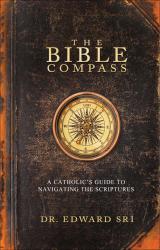
Bible Compass : A Catholics Guide To Navigating The Scriptures
The Bible is central to our faith as Catholics. But approaching such a large and complex collection of writings that span thousands of years is intimidating for most of us. We need a guide, a compass to set us off on the right course so that our time spent studying the Scriptures is a time spent encountering the living God. The Bible Compass provides readers with the tools to study the Word of God with confidence and purpose. This book demonstrates how to read the Bible within the living Tradition of the Catholic Church, and it addresses all the common questions about the Bible including: *Where did the Bible come from? *Why is the Bible so important? *Is the Bible really inspired by God? *Why do Catholic Bibles have more books than Protestant Bibles? *Do I have to take the Bible literally? *How do I know if I am interpreting the Bible correctly? *Why do we need Tradition and the Magisterium to understand Scripture? *What are the four senses of Scripture? *Why are there different translations of the Bible Which is best? *How can archeology, history and geography enrich our study of Scripture? *What are the Dead Sea Scrolls? *How should we as Catholics interpret Scripture? *What is lectio divina? *What about Gnostic gospels and other non-biblical books? As Catholics we are called to have an intimate knowledge of Jesus Christ and the Church as revealed in the Scriptures. Reading the Bible with the proper tools and in the appropriate context will help you grow in your love for the Faith and in your relationship with Jesus Christ himself, who is “the Word made Flesh,” (John 1:1).
SKU (ISBN): 9781934217788
ISBN10: 1934217786
Edward Sri
Binding: Trade Paper
Published: September 2009
Publisher: Ascension Press
Related products
-
Perseverance In Trials
Read moreChristian life, like life generally, is marked by trials. For this reason, the author has chosen the Book of Job as a primary text for reflection, although other passages of the Old and New Testaments are also offered for meditation.
The story of Job spoke to the Jewish people exiled in Babylonia, even as it speaks to us today. It inspires questions such as, Does suffering have meaning? Can human beings ask God to account for that suffering? It counters those questions by asking for belief in God’s ultimate justice and (humanly) incomprehensible wisdom.
In comments marked by spiritual and pastoral depth, Cardinal Martini, Archbishop of Milan, dwells on certain passages of Job that help shed light on the meaning of the mystery of the human person and the mystery of God. The reflections are gathered from retreat lectures given by the cardinal. When read in an atmosphere of prayer, these pages become a source of light, nourishment, strength, incentive, and consolation.
-
Whens God Gonna Show Up
Read moreThis delightful book is written to entertain and inspire the faithful to see Jesus Christ in their everyday lives. When’s God Gonna Show Up? is a question asked by a four-year-old to his mother when their family was in church for Eucharistic Adoration. His mother is the author of this joyous book, and she writes of understanding God’s incredible love for us by trying to understand the information God has given to us.
When’s God Gonna Show Up? reinforces the fact that as children of God, we’ll spend our lives finding the path God has chosen for us and hearing God’s voice in silence and also in the voices of strangers and loved ones. This book of loving, heart-warming short stories is organized by liturgical season and cites related Scripture passages and includes questions for personal reflection or group discussion.
-
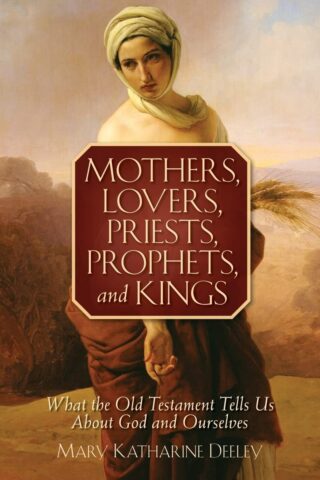
Mothers Lovers Priests Prophets And Kings
Read moreMothers, Lovers, Priests, Prophets, and King provides a doorway to enter into the world of the Old Testament for both the casual and the more experienced reader. The newcomer to scripture will find an easily accessible group of stories about people who look and act just like the characters we know today and whose encounters with God leave us wondering what God has in store for us. The more experienced reader will come to know the God of the Old Testament more closely and see there the One who came to dwell with us as Jesus Christ. Both readers will take away from the book a deeper appreciation of the nature of scripture as a Living Word, a greater understanding of the connection between God in the Old Testament and God in the New, and a better awareness of the multifaceted nature of God’s interaction with us. This book helps readers begin to answer the questions: Who is the God we meet in scripture? Who is God for me now? How is God revealed in the patterns and experiences of my life?
Individuals and groups will find this book helpful in bible studies, small church groups, and as a way of sparking conversation about our images of God and what our relationship with God looks like. Readers will be able to place themselves in these stories and discover what God has to say to them. Those using the book for individual reading will be able to move from the scripture to the meditation to guiding questions and prayer designed to enhance their experience.
If you have been looking for a book that concisely, prayerfully and joyfully points to the beauty and truth of God through the stories of God’s people and then lets you discover for yourself the movement of God in your life, this book is for you.
-
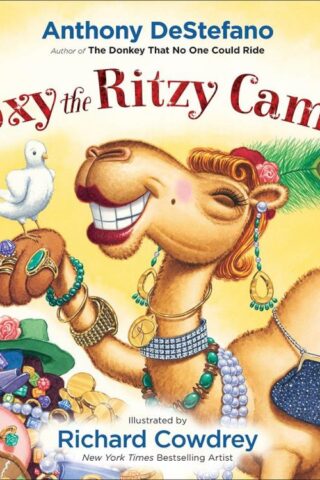
Roxy The Ritzy Camel
Read moreBestselling author Anthony DeStefano brings the vain and possession-loving Roxy the camel to life to demonstrate the familiar Bible verse: It is easier for a camel to go through the eye of a needle than for a rich man to enter the kingdom of God. Little ones ages three and older will learn that possessions are only things…and definitely NOT the most important things.
Brightly illustrated by Richard Cowdrey and written in engaging, funny rhyme, this storybook follows Roxy’s journey from her waterless home in the desert to a great city of beauty she’s heard about but never seen. Along the way she learns that the only way to attain true happiness is to share–or even give away–what she possesses.
Reviews
There are no reviews yet.